Toyota Tacoma Maintenance: A Simple Guide by Mileage
Figuring out the toyota tacoma common maintenance schedule by mileage can seem tricky at first. There are a lot of different things to remember, and it might feel like a lot to keep track of. Don’t worry, though! This guide breaks everything down into easy steps. You’ll learn what to do and when to do it to keep your Tacoma running great. Next, we’ll start with the basics to get you prepared for keeping your truck in top shape.
Essential Regular Care for Your Tacoma
Maintaining your Toyota Tacoma is essential to ensure its long life and reliability. The toyota tacoma common maintenance schedule by mileage involves a series of regular check-ups and replacements. These steps help prevent big problems down the road. It might seem like a lot, but by following a regular plan, you can save money and keep your truck running smoothly. Regular oil changes, tire rotations, and other tasks are all part of this. They keep your Tacoma performing at its best, ensuring it’s always ready for your next adventure.
Oil Changes and Filter Replacement
Oil changes are at the heart of your Tacoma’s care routine. Motor oil keeps the engine’s parts working together smoothly. Over time, oil breaks down and collects dirt and debris. Replacing the oil and filter prevents wear and tear, and allows the engine to run better. This is especially true if you do a lot of driving or drive in tough conditions. Remember to replace both the oil and the filter at the recommended intervals, as they work together to keep the engine healthy. Dirty oil can cause serious problems, like engine damage, so this is very important.
-
Frequency: You should change your oil every 5,000 to 10,000 miles. This can vary based on your driving conditions. Look in your owner’s manual for specific details on your model. Always use the right type of oil recommended for your Tacoma’s engine.
Oil changes use motor oil, which is a lubricant that keeps the engine parts working smoothly. As the engine runs, the oil gets dirty and loses its effectiveness. When you change the oil, you also replace the oil filter. This filter catches dirt and grime that could damage the engine. Regular oil changes are one of the most important things you can do to keep your Tacoma running well. -
Why it matters: Motor oil lubricates, cools, and cleans your engine. A fresh filter removes harmful particles, preventing engine damage. Using the correct type of oil matters too, as it’s formulated for your Tacoma.
Oil changes prevent friction and heat buildup within the engine. Over time, dirty oil can cause parts to wear down faster. A clean oil filter ensures that the oil circulates freely and keeps the engine clean. Without regular oil changes, your engine might struggle or break down. -
Benefits: Regular oil changes lead to improved engine performance, better fuel economy, and a longer engine lifespan. This results in fewer breakdowns and more dependable driving.
Changing the oil regularly means your engine parts get the lubrication they need. This makes your engine more efficient and helps you save money on fuel. The engine will run more quietly and smoothly, which increases the life of your truck.
Tire Rotations and Pressure Checks
Keeping your tires in good shape also affects the performance of your Tacoma. Tire rotations help your tires wear evenly. Regular pressure checks ensure you have the best grip on the road. This improves fuel efficiency and handling. Checking tire pressure is an easy, regular task that can help you save money. Properly inflated tires also improve the overall safety of your truck. This will help you get the most out of your tires and keep your Tacoma safe on the road. Rotate your tires and keep an eye on pressure for better performance.
-
What to do: Rotate your tires every 5,000 to 7,500 miles. This means moving them to different positions on your truck. Also, check tire pressure at least once a month. Use a tire pressure gauge and fill them to the level shown in your owner’s manual.
Tire rotations involve moving the tires from front to back, or side to side, to even out wear. Tire pressure is measured in pounds per square inch (PSI). The recommended PSI is usually listed on a sticker inside your driver’s door. -
The reasons for this: Uneven tire wear can lead to problems like poor handling and decreased fuel economy. Proper inflation ensures optimal performance and safety. Your tires have contact with the road, so they’re essential.
Tire rotations help extend the life of your tires. They also improve your truck’s handling. This ensures a safer, more comfortable driving experience. Properly inflated tires save fuel. -
Why it’s important: Tire maintenance impacts safety and saves you money. Properly maintained tires will reduce the need for replacing them, and provide better grip.
Tires play a big part in your truck’s performance. They also affect your safety, and your fuel costs. Tire rotations and pressure checks can prevent blowouts and improve your fuel efficiency, and it is a simple step to take.
Air Filter Inspection and Replacement
The air filter cleans the air that enters your engine. This is a very important part that protects the engine. Over time, air filters collect dirt, dust, and other particles. Replacing them at the correct intervals will protect your engine’s internal components. This helps it run efficiently and extends its life. A clean air filter is essential for the engine’s performance. This ensures that the air reaching your engine is as clean as possible. Regular checks keep your engine safe and your truck reliable.
-
Inspection: Check the air filter every 10,000 to 15,000 miles or according to your owner’s manual. Hold it up to the light. If it’s very dirty, replace it. You may need to replace it more frequently if you drive in dusty environments.
A dirty air filter can restrict airflow to the engine. This can reduce engine power and fuel efficiency. Regular inspection is key to identifying when the filter needs replacement. -
How it works: The air filter keeps dust, dirt, and other debris from entering the engine. This prevents wear and damage to the engine’s internal parts. A good air filter allows for clean air, which is essential for proper engine function.
The air filter is a vital component that affects the engine’s efficiency. Regular replacement of your air filter is a low-cost, high-impact maintenance task. -
What to replace: Replacing the air filter is straightforward. It usually requires removing the old filter and putting in a new one.
Replacing the air filter is easy. A fresh air filter gives your engine clean air. This helps your truck run better, and is cost effective.
Major Servicing Milestones in Your Tacoma’s Life
As your Tacoma racks up miles, it will need a few major services. These services are more involved than regular check-ups. They address components that wear down over time. Following these milestones ensures that your truck stays in peak condition. Staying on top of these tasks will keep your Tacoma running smoothly, and prevent problems from appearing. The following are important maintenance steps to keep your Tacoma in top shape.
Spark Plug Replacement
Spark plugs ignite the fuel in your engine, which makes it run. Over time, spark plugs wear down and become less efficient. Replacing them at the recommended intervals restores engine performance and fuel efficiency. It will help maintain a smooth running engine. This is an important part of keeping your engine running right. If you want a reliable engine, spark plugs are key.
-
What they do: Spark plugs provide the spark that ignites the air-fuel mixture in your engine’s cylinders. This is how the engine gets the power to run. Worn spark plugs cause problems like rough idling and reduced fuel economy.
Spark plugs help start the engine and keep it running smoothly. Worn spark plugs will make your engine run less efficiently. -
Frequency: Replace your spark plugs every 30,000 to 100,000 miles, depending on the type and your driving conditions. Consult your owner’s manual. Some modern spark plugs last longer than others.
Regular spark plug replacement helps maintain optimal engine performance. A worn spark plug can cause engine misfires, decreased fuel efficiency, and rough running. -
Benefits: New spark plugs improve engine performance, fuel economy, and starting reliability. They help your engine run smoothly.
Fresh spark plugs will also reduce emissions and improve overall performance. Regularly changing the spark plugs is a simple way to maintain your Tacoma’s engine.
Coolant System Flush and Replacement
The coolant system keeps your engine from overheating. Over time, coolant degrades and loses its effectiveness. A coolant system flush removes old coolant and
-
Frequency: Perform a coolant flush and replacement every 60,000 to 100,000 miles. Your owner’s manual provides the exact intervals for your truck. Coolant degrades over time and loses its ability to protect the engine.
Regular coolant flushes remove harmful deposits and corrosion from the cooling system. This is a very helpful maintenance step. -
What happens: A coolant flush involves draining the old coolant. The technician will then flush the system to remove deposits. Finally, fresh coolant is added. This process removes contaminants and protects the engine.
The cooling system is designed to keep the engine at a safe operating temperature. A coolant flush removes rust, scale, and other debris that can lead to overheating. -
Why it matters: Regular coolant maintenance prevents overheating. Overheating can cause engine damage. Replacing coolant protects the engine from corrosion and keeps it running smoothly.
The cooling system is essential for your engine’s health. The coolant helps keep the engine from overheating, which can cause serious damage. This is a simple step you can take.
Transmission Fluid Replacement
The transmission transfers power from the engine to the wheels. Transmission fluid lubricates and cools the transmission. Replacing the fluid at regular intervals ensures that it works correctly and prolongs the life of the transmission. It will keep your transmission running smoothly. This is a key step to keep your Tacoma running well. This will help maintain your truck in excellent shape.
-
Importance: Transmission fluid lubricates the transmission’s internal parts. Replacing it at the right time is important to prevent problems. Dirty or low fluid can cause slipping, rough shifting, and serious transmission damage.
Transmission fluid protects gears and other components. It prevents friction and wear. Without proper care, the transmission can fail. -
Frequency: Replace your transmission fluid every 60,000 to 100,000 miles, or as recommended in your owner’s manual. Driving conditions can also affect the replacement timing.
Regular transmission fluid replacement is very important. This is one of the most effective ways to extend the life of your transmission. -
Consequences: Neglecting transmission fluid replacement can lead to expensive repairs. Maintaining the right levels of fluid is essential to keep the transmission running smoothly.
Failure to replace transmission fluid on time can result in transmission failure. This often leads to a very expensive repair or replacement.
Additional Maintenance Steps to Consider
Beyond the basics and major services, there are other important tasks to keep in mind. These steps help maintain your Tacoma’s performance and value. From brake maintenance to belt inspections, these tasks play a key role in the long-term health of your Tacoma. Paying attention to these extra maintenance items contributes to a more reliable, safer, and enjoyable driving experience. They will help maintain your truck.
Brake System Check and Service
Your brakes are important for safety. Regular inspection and service of the brake system are important. This includes checking brake pads, rotors, and fluids. Maintaining your brakes is essential to ensure your safety and the safety of those around you. Ensuring that your brakes function correctly is a must for safe driving. This is important for stopping quickly and avoiding accidents. Checking the brakes helps keep your truck running safely.
-
What to check: Inspect brake pads and rotors for wear. Check the brake fluid level and condition. Listen for any unusual noises while braking.
Brake pads wear down over time, reducing their effectiveness. Rotors can warp or become grooved, decreasing braking performance. Brake fluid can absorb moisture and reduce braking efficiency. -
Frequency: Inspect your brakes at least once a year, or every 12,000 miles. Replace brake pads and rotors as needed. Follow your owner’s manual for recommended service intervals.
Brake pad and rotor replacement depends on driving habits and conditions. Regular checks can catch problems before they become serious. -
Benefits: Regular brake service maintains your safety and prevents costly repairs. Fresh brakes will improve stopping distances and provide peace of mind.
Well-maintained brakes prevent accidents and ensure your vehicle can stop quickly. Keeping brakes in good condition is an essential part of driving safely.
Serpentine Belt Inspection and Replacement
The serpentine belt powers key engine components. The belt drives the alternator, power steering pump, and air conditioning compressor. Inspecting and replacing the serpentine belt prevents breakdowns and keeps your truck running smoothly. A broken belt can leave you stranded. Keeping the belt in good condition is a preventative measure. This is an important step to prevent unexpected breakdowns, and keep your truck working right.
-
What to look for: Check the belt for cracks, wear, and fraying. Look for any unusual noises coming from the belt area. A damaged belt can lead to a breakdown.
The serpentine belt is made of rubber and is subject to wear and tear. Cracks, fraying, and glazing can indicate that the belt needs to be replaced. -
How often: Inspect the serpentine belt every 15,000 miles. Replace the belt as needed, typically every 60,000 to 100,000 miles. Refer to your owner’s manual for exact recommendations.
Regular inspections can help catch problems early. The replacement time depends on the belt’s condition and driving habits. -
Why it matters: A broken serpentine belt can disable several important systems. This can leave you stranded. Replacing the belt prevents breakdowns.
The serpentine belt drives critical components like the alternator and power steering. A failure can make your Tacoma undrivable.
Battery Inspection and Maintenance
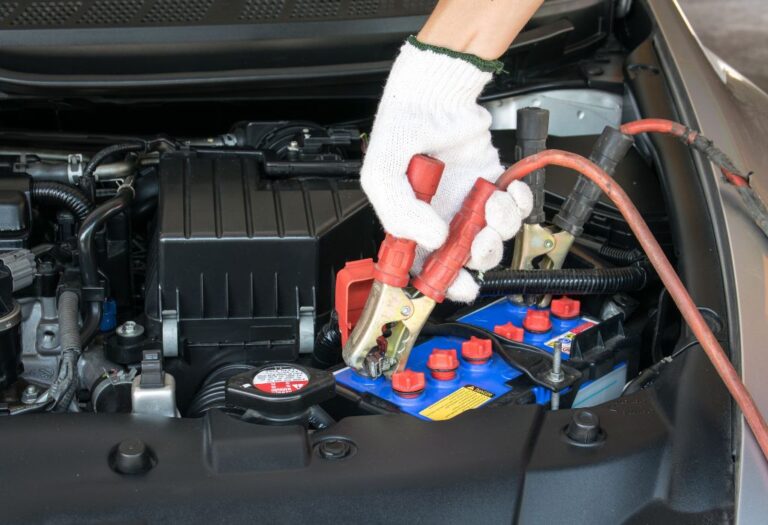
The battery is essential for starting your Tacoma. A well-maintained battery ensures that your truck starts reliably. Checking the battery terminals, and the battery’s overall health helps prevent starting problems. Regular maintenance keeps your Tacoma running smoothly, and prevents problems on the road. Battery maintenance is important. It ensures the truck will start when you need it.
-
What to do: Check the battery terminals for corrosion. Clean them as needed. Have your battery tested regularly. This can show how well the battery holds a charge.
Corrosion on the terminals can prevent proper electrical contact. Testing the battery helps identify if it is failing. -
Frequency: Inspect your battery regularly, at least every few months. Replace the battery every three to five years, or when it shows signs of weakness. Cold weather can affect battery performance.
Regular inspections can identify potential problems before they lead to a failure. Replacing the battery prevents starting problems. -
Why it matters: A dead battery can leave you stranded. Regular maintenance ensures reliable starting and extends the battery’s life.
A well-maintained battery helps your truck start every time you turn the key. Replacing the battery before it fails prevents inconvenient breakdowns.
Toyota Tacoma Maintenance Schedule by Mileage: Quick Reference
Understanding the toyota tacoma common maintenance schedule by mileage can seem complicated, but it does not have to be! Here’s a simplified version of a common maintenance plan, so you can easily keep up with your truck. The following schedule gives you a quick overview of what needs to be done. This will help you keep up with your Tacoma.
| Mileage (Miles) | Service Required |
|---|---|
| 5,000-10,000 | Oil Change and Filter Replacement, Tire Rotation |
| 15,000 | Inspect Air Filter, Check Serpentine Belt |
| 30,000 | Spark Plug Replacement, Brake Inspection |
| 60,000 | Transmission Fluid Replacement, Coolant Flush, Brake Service |
| Every Year | Battery Check, Brake Inspection |
| As Needed | Tire Replacement, Wiper Blade Replacement |
This is a general guide. Always check your owner’s manual for specific recommendations.
Frequently Asked Questions
Question: How often should I change my oil?
Answer: You should change your oil every 5,000 to 10,000 miles, depending on your driving conditions and the type of oil you use.
Question: When should I rotate my tires?
Answer: Rotate your tires every 5,000 to 7,500 miles, or with every oil change.
Question: How often should I replace my air filter?
Answer: Replace your air filter every 15,000 to 30,000 miles, or more often if you drive in dusty areas.
Question: How often should I replace my spark plugs?
Answer: Replace your spark plugs every 30,000 to 100,000 miles, depending on the type of spark plugs and your driving conditions.
Question: What about the transmission fluid?
Answer: Replace your transmission fluid every 60,000 to 100,000 miles. Check your owner’s manual for more precise guidance.
Final Thoughts
Taking care of your Tacoma means following a consistent maintenance plan. The toyota tacoma common maintenance schedule by mileage helps you protect your investment and enjoy years of reliable service. Keeping up with tasks like oil changes, tire rotations, and fluid replacements ensures that your truck stays in good shape. Regular maintenance will prevent potential issues and keep your Tacoma running right. By paying attention to these simple steps, you can avoid costly repairs and keep your truck at its best. So, use this guide as your starting point, and remember that regular maintenance keeps your truck healthy and reliable. Keep a maintenance log, follow the guidelines, and your Tacoma will be ready for any adventure.

I’m David R. Coleman, the founder, lead writer, and lifelong tool enthusiast behind GarageToolPro.com. With years of experience in automotive repair, woodworking, and home DIY projects, I created this platform to share practical tips, detailed tool reviews, and step-by-step guides that help mechanics, hobbyists, and homeowners get the job done right the first time.