Is It Normal for RV AC to Leak Water? Explained Clearly
It usually starts with a small puddle under your RV after a hot summer day. You look up at your air conditioner and wonder — is it normal for my RV AC to leak water? The answer depends on where the water’s coming from.
In most cases, a little water dripping outside your RV is perfectly normal. It’s a sign your AC is removing heat and humidity from the air — exactly what it’s designed to do. But when that water finds its way inside your ceiling or vents, that’s a problem that shouldn’t be ignored.
Every RV air conditioner creates condensation as it cools warm air. Normally, that condensation drains harmlessly through a tube to the outside. Over time, dust, bugs, or grime can block this pathway, causing water to overflow into your living space.
According to RV maintenance experts, more than 70% of water leak complaints stem from blocked drain lines or worn gaskets. These are easy fixes once you understand the system.
This guide will explain exactly when it’s normal for your RV AC to leak water and when it’s a warning sign of trouble. You’ll learn what causes the leaks, how to fix them, and how to prevent them — so you can stay cool and dry wherever the road takes you.
Understanding Why RV Air Conditioners Leak Water
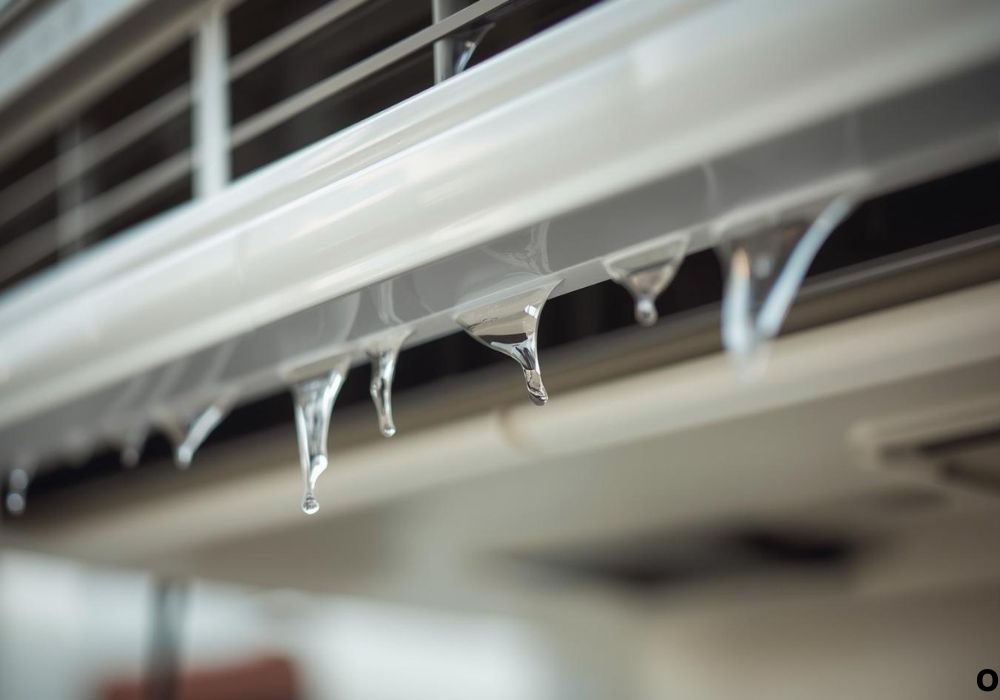
All air conditioners — whether at home or in your RV — work by pulling heat and humidity from the air. When warm, moist air passes over the evaporator coils, condensation naturally forms as the air cools.
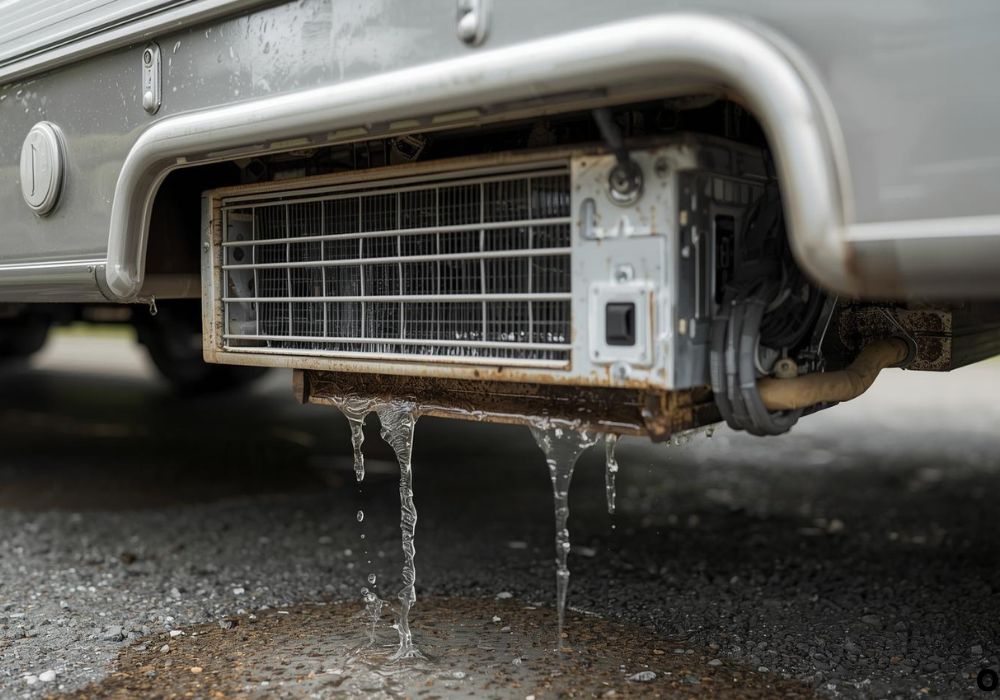
In a properly functioning system, this water drains through a small tube or channel outside your RV. That’s why you might see dripping under the AC unit after it’s been running for a while. It’s completely normal and even a sign that your air conditioner is doing its job efficiently.
However, problems begin when the water that’s supposed to exit outside starts finding its way inside your RV. That’s when normal condensation turns into a costly maintenance issue.
When Water Dripping Is Normal
A little bit of water dripping outside your RV, especially on hot and humid days, is nothing to worry about. In fact, it’s the result of your air conditioner successfully removing moisture from the indoor air.
Here’s when you can consider water leakage normal:
- The water is dripping outside the RV from the rooftop AC.
- You’ve been running the air conditioner continuously for several hours.
- The temperature difference between inside and outside is high.
- You hear a steady drip after turning the unit off — this is leftover condensation draining out.
As long as the water isn’t entering your RV or pooling near electrical components, a bit of external dripping is perfectly safe and expected.
When Water Leakage Is a Problem
If water starts dripping inside your RV — through ceiling vents, down walls, or onto furniture — it’s no longer normal. That’s a sign of restricted drainage, poor seals, or internal condensation overflow.
Problematic leaks are typically caused by:
- Clogged drain lines or pans preventing condensation from exiting.
- Damaged gaskets between the AC unit and roof.
- Frozen evaporator coils melting after the system defrosts.
- Loose mounting bolts allowing moisture to seep through gaps.
When left untreated, internal leaks can cause ceiling rot, insulation damage, and electrical shorts. The earlier you identify the problem, the easier it is to fix.
Common Causes of RV AC Leaking Water
1. Clogged Drain Tube
Over time, dust, pollen, and debris collect inside the drain line. When it clogs, condensation has nowhere to go — it builds up until it spills inside the RV.
You’ll usually notice this when water drips from ceiling vents or around the air return grille.
2. Damaged or Flattened Roof Gasket
The gasket creates a watertight seal between the AC unit and the roof. If it’s cracked, compressed, or deteriorated, water from condensation or rain can leak through.
Most gaskets should be replaced every 2–3 years, especially if your RV experiences frequent temperature changes.
3. Frozen Evaporator Coil
Restricted airflow or low refrigerant can cause the evaporator coil to freeze. When the ice melts, water drips uncontrollably inside the unit.
You’ll often notice a weaker airflow before this happens — a sign your filter or coil needs cleaning.
4. Dirty Air Filters
A clogged filter reduces air circulation, leading to excess condensation on the coils. This can overflow the drain pan and leak indoors.
Cleaning filters monthly during the summer can prevent this issue entirely.
5. Loose Mounting Bolts
Bolts that hold the AC to the roof can loosen over time due to vibration. This creates small gaps where rainwater or condensation can enter.
Tighten the bolts slightly — but don’t overdo it, or you might crush the gasket and worsen the leak.
Step-by-Step: How to Fix a Leaking RV AC
You don’t always need to call a professional. Most leaks can be fixed with a few simple steps and some routine maintenance.
1. Turn Off Power Completely
Unplug your RV or switch off the breaker. Working with live power is dangerous and can damage the unit.
2. Inspect the Drain System
Remove the rooftop AC cover and locate the drain channels. Use compressed air or a pipe cleaner to remove debris blocking the drain line.
3. Clean Air Filters and Coils
Wash filters with mild soap and water. If coils are dirty, use a soft brush or coil cleaner to remove grime that restricts airflow.
4. Check and Replace the Gasket
Inspect the foam or rubber gasket for cracks, tears, or compression. Replace it if it’s worn or flattened. This small part often causes major leaks if neglected.
5. Tighten Bolts and Screws
Evenly tighten all mounting bolts around the unit. A good rule of thumb is to tighten just enough to compress the gasket about 50% of its original thickness.
6. Test the Unit
Restore power, turn on the AC, and let it run for 20–30 minutes. Observe whether water drips inside or drains properly outside.
These basic steps fix around 80% of all RV AC leaks, according to experienced technicians.
How Humidity and Weather Affect RV AC Leakage
Weather plays a big role in whether water leakage seems excessive. In high humidity, your air conditioner collects far more moisture from the air.
That means you’ll see more condensation dripping outside, even forming small puddles after long use.
If you travel in humid regions like Florida or Texas, this is perfectly normal. However, if water appears inside during dry weather, it’s a clear sign something’s wrong — likely a clog or seal issue.
During cooler nights, condensation can also form around the gasket as warm air meets the cold AC housing. It’s harmless if minimal but worth monitoring to ensure no pooling occurs.
Signs You Shouldn’t Ignore
A healthy AC unit will drip water only where it’s supposed to. If you notice any of these warning signs, take action immediately:
- Water pooling near the indoor ceiling vent
- Stains or sagging in the ceiling around the AC
- Mold or mildew smell when the unit runs
- Water dripping inside even when the AC is off
- Electrical sparking or discoloration near controls
These indicate the leak is coming from internal condensation or roof entry, not normal drainage. The longer it goes unfixed, the greater the risk of structural damage.
Preventing RV AC Water Leaks
Routine maintenance keeps your RV air conditioner in top shape and prevents nearly all internal leaks.
1. Clean Filters Regularly
Wash or replace filters every 30 days during heavy use. Clean filters improve airflow and reduce coil freezing.
2. Flush Drain Lines Every Season
Run a mix of warm water and vinegar through the drain system to remove buildup.
3. Reseal Gaskets Annually
Inspect roof seals before every summer trip. Replace worn gaskets to keep moisture out.
4. Keep the Roof Clean
Leaves, dirt, and debris around the unit can clog drains and cause water pooling.
5. Check Bolt Tightness
After long drives, vibration may loosen bolts. A quick inspection can prevent leaks before they start.
These preventive steps take minutes but can save hundreds of dollars in repair costs.
Is It Safe to Keep Running the AC While It Leaks?
If your AC is dripping water outside, yes — that’s safe and expected. But if it’s leaking inside, it’s best to turn it off immediately.
Running an AC that’s leaking inside can lead to short-circuits or water damage in your ceiling insulation. The trapped moisture can also encourage mold growth, which is much harder to fix than a simple gasket replacement.
Always diagnose and fix the issue before continuing to run your system.
Professional vs DIY: When to Call a Technician
You can fix small issues like cleaning drains, replacing filters, or tightening bolts on your own. But there are situations when professional service is safer and more effective:
- The leak continues even after cleaning and resealing.
- The evaporator coil freezes repeatedly.
- You notice electrical issues or burnt smell.
- The ceiling panels show visible water damage.
Certified RV technicians can test the electrical system, replace damaged wiring, and ensure the entire unit is safely sealed.
Frequently Asked Questions
Is it normal for RV AC to drip outside?
Yes, dripping outside is normal — it’s just condensation leaving the system.
Why is water leaking inside from my RV AC vent?
That means your drain line is clogged or your roof gasket is failing.
Can rain cause my AC to leak?
Yes, but only if the roof gasket is cracked or bolts are loose, allowing rainwater to seep through.
How often should I clean the drain system?
Every 3–6 months, or more often if you travel in dusty or humid areas.
What’s the difference between normal condensation and a leak?
Normal condensation drips outside; a leak causes water to enter your RV’s ceiling or vents.
Can a dirty filter cause leaking?
Yes, clogged filters reduce airflow and cause excess condensation buildup on coils.
Will running the AC fan help reduce leaks?
Yes, it helps evaporate leftover condensation from the coils.
Is a frozen coil dangerous?
It’s not dangerous, but it indicates airflow problems that can lead to internal leaks.
How long should my RV AC last?
With proper maintenance, around 8–12 years on average.
Can I use sealant around the unit instead of replacing the gasket?
No — sealants can trap moisture and worsen leaks. Always use a proper gasket replacement.
Conclusion – Drips Are Normal, But Puddles Are Not
A few drops of water beneath your RV AC after hours of cooling are completely normal. It’s a sign your unit is condensing and draining humidity just as it should.
But if you ever see water leaking inside your RV, that’s not normal — it’s a call for inspection and repair. Most of the time, it’s an easy fix: clean the drain, replace the gasket, or tighten a few bolts.
Understanding when water leakage is safe and when it’s not will save you from expensive repairs and ruined ceilings. Keep your RV’s air conditioner clean, sealed, and balanced, and you’ll enjoy cool, dry air no matter where the road takes you.
A healthy RV AC doesn’t just keep you comfortable — it keeps your adventures worry-free.

I’m David R. Coleman, the founder, lead writer, and lifelong tool enthusiast behind GarageToolPro.com. With years of experience in automotive repair, woodworking, and home DIY projects, I created this platform to share practical tips, detailed tool reviews, and step-by-step guides that help mechanics, hobbyists, and homeowners get the job done right the first time.