How to Replace Alternator on Tacoma A Step-by-Step Guide
Replacing your alternator can seem hard at first. The topic of how to replace alternator on toyota tacoma step by step is something many Tacoma owners look up. The good news? It’s often doable at home, even if you’re not a professional mechanic. Don’t worry, we’re here to help! We’ll explore the process in a super simple, step-by-step way, so you’ll be back on the road quickly. Let’s get started and explore how to fix your Tacoma!
What You’ll Need Before Beginning
Before you even think about touching your Tacoma, it’s important to prepare. This means gathering all the right tools and knowing what parts you’ll need. This preparation prevents mid-project surprises. It also ensures you can safely and efficiently complete the alternator replacement.
Essential Tools and Supplies
First, list the tools needed. These are essential for a smooth process. Having the right tools avoids frustration and keeps things moving. The goal here is efficiency and safety.
- Wrench Set (Metric): You’ll need a variety of metric wrenches. They’re important for loosening and tightening bolts of different sizes found on your alternator and surrounding components. A socket set with extensions is also useful.
- Socket Set (Metric): Similar to wrenches, a metric socket set is important, but these connect to a ratchet. Different sizes accommodate varying bolt sizes. Sockets provide better grip and allow easier access in tight spaces.
- Screwdrivers (Phillips and Flathead): Various screwdrivers are handy for removing screws holding different parts in place. A set including both Phillips head and flathead screwdrivers gives you flexibility.
- Gloves and Safety Glasses: Gloves will protect your hands from grease and sharp edges. Safety glasses will keep your eyes safe from debris. They help prevent injuries during the process.
- New Alternator: Make sure you get the right replacement alternator for your Tacoma model. Check for compatibility. Buying the correct part is crucial for making the repair work properly.
- Battery Terminal Cleaner: Over time, corrosion can build up on battery terminals. A terminal cleaner helps restore good electrical contact, ensuring reliable power.
A metric wrench set is a collection of wrenches designed to fit bolts and nuts measured in the metric system (millimeters). This includes open-end wrenches, box-end wrenches, and often combination wrenches (one open end and one box end). The range typically includes sizes from 6mm to 24mm or larger, catering to different bolt sizes in a vehicle. These wrenches are essential for automotive work because the vast majority of vehicles, including the Toyota Tacoma, use metric hardware.
A metric socket set contains sockets designed to fit onto a ratchet or other driving tool. These sockets are designed to grip the flats of a bolt or nut. A complete socket set will often include various sizes and types of sockets. This helps with different applications in vehicle maintenance. The ratchet allows you to apply force to the bolt or nut easily and effectively.
Screwdrivers are hand tools used for turning screws. A Phillips head screwdriver has a cross-shaped tip, which is designed to fit Phillips head screws. This design helps prevent the screwdriver from slipping out of the screw head. A flathead screwdriver has a flat, wedge-shaped tip, suitable for slotted screws. Having both types ensures you can tackle diverse screw types when working on your alternator.
Gloves protect your hands from dirt, grease, and sharp edges. They also provide better grip. Safety glasses are crucial for protecting your eyes from flying debris. Using these simple items helps make the job safer and cleaner.
A new alternator is the core replacement part. Choosing the correct model ensures a proper fit. Check your Tacoma’s year, engine, and trim level. This is for finding the correct alternator. Always buy from a trusted source, and consider any warranty options.
Battery terminal cleaner removes corrosion from the battery terminals. Corrosion can prevent proper electrical contact. This can affect the alternator’s performance and the vehicle’s starting capabilities. Regularly cleaning the terminals is important to keep the electrical system working well.
Safety First: Precautions to Take
Before any work begins, safety is the most important part of this project. Neglecting safety can lead to injury. Follow these steps to protect yourself and your truck. They’re critical for a successful replacement.
Disconnecting the Battery
The first and most important safety step is disconnecting the battery. This ensures no electrical current can flow through the system. This step is to prevent electrical shock. It also prevents short circuits that could damage the vehicle.
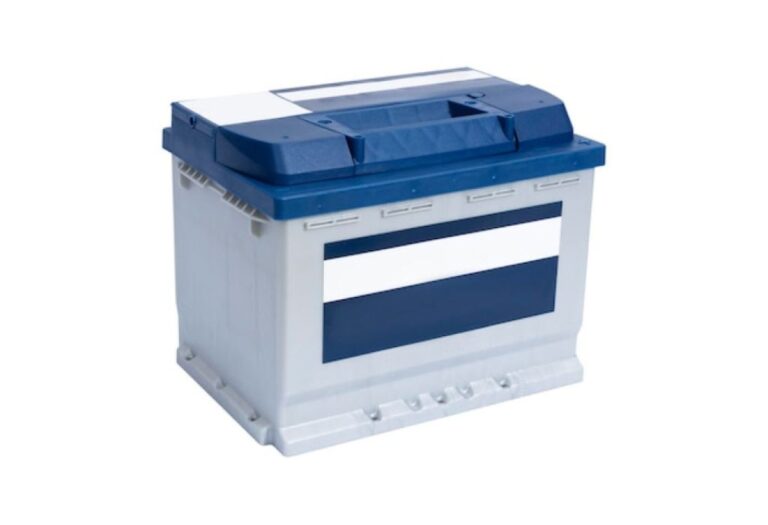
- Locate the Battery: Find your Tacoma’s battery. This is usually under the hood. It may be in a few different locations depending on your model.
- Identify Terminals: Identify the positive (+) and negative (-) terminals. They are usually marked. The positive terminal usually has a red cover.
- Disconnect Negative Terminal: Use your wrench to loosen the nut on the negative (-) terminal clamp. Then, carefully remove the cable from the terminal.
- Disconnect Positive Terminal: Repeat the process for the positive (+) terminal. Once done, tuck the cables away from the terminals, so they cannot accidentally touch.
- Wait: Give the system a few minutes to discharge before continuing to work. This helps avoid potential electrical issues.
Finding the battery is the first step. The location varies by Tacoma year and engine type. Generally, it’s either in the engine bay or tucked under a seat. Consulting your owner’s manual helps if you’re unsure.
The terminals are the points where the battery connects to the vehicle’s electrical system. The positive terminal typically has a red or pink cover, while the negative terminal has a black or dark cover. Knowing these is key for avoiding mistakes.
The negative terminal is disconnected first. This reduces the chance of accidental short circuits. Loosening the nut on the clamp allows you to remove the cable. Make sure the cable doesn’t touch anything metal. This step ensures safety.
After disconnecting the negative terminal, disconnect the positive terminal. Loosen the nut and remove the cable. Place the cable where it cannot make contact with the terminal. This keeps the electrical system safe during the alternator replacement.
Waiting a few minutes lets any residual electrical charge in the system dissipate. This will lower the risk of electrical shock. Taking this precaution is good practice.
Additional Safety Measures
Beyond disconnecting the battery, more safety steps should be taken. These will help prevent injury and protect your vehicle. Keeping these in mind enhances your safety while doing the repair.
- Work in a Well-Ventilated Area: Working in a garage or outdoors is safer. Exhaust fumes from the engine can be dangerous. Good airflow also prevents buildup of harmful vapors from cleaning products.
- Wear Appropriate Safety Gear: Besides gloves and safety glasses, consider wearing clothing that won’t get caught in moving parts. Avoid loose clothing. It keeps you safe while working.
- Use Jack Stands: If you need to raise your Tacoma, always use jack stands. Do not rely solely on a jack. Jack stands prevent the vehicle from falling, keeping you safe.
- Secure the Vehicle: Ensure the vehicle is in park with the parking brake engaged. This will prevent the vehicle from rolling. Add wheel chocks as a further precaution.
Well-ventilated areas are important for your safety. They help to prevent the accumulation of exhaust fumes. They also help disperse any chemical fumes from cleaning agents. This greatly reduces the risk of breathing in toxic substances.
Wear protective gear, including gloves and safety glasses, to shield yourself from hazards. Wear clothing that fits and won’t get stuck in moving parts. This keeps you safe while you work. These measures help to lower the risk of injury while working on your vehicle.
Jack stands are essential for safety when working under a raised vehicle. A jack alone can fail. Jack stands securely support the vehicle. Using them reduces the risk of injury. This helps ensure that the vehicle won’t fall while you’re working beneath it.
Ensure that the vehicle is securely set to prevent movement. Place the vehicle in park, and set the parking brake. Then, use wheel chocks on the tires that are not being worked on. These measures will prevent the vehicle from rolling while you are working on it.
Removing the Old Alternator
Once you are safe and prepared, start removing the old alternator. This step requires a systematic approach. By carefully following the instructions, you can remove the existing alternator without damaging the surrounding components. Proper removal is key before you install the new one.
Preparing to Remove the Alternator
Begin by preparing the area and identifying the alternator’s location. This will allow for easier access. Make sure the area is clear of unnecessary clutter. This makes the job more efficient.
- Locate the Alternator: The alternator on most Tacomas is usually on the engine’s side. It’s normally connected to the engine by a belt. It may be partially obscured by other components. Consult your owner’s manual to find the exact location for your model.
- Remove Any Obstructions: Some models may have components blocking access to the alternator. You might need to remove air intake components or other parts.
- Loosen the Drive Belt: Use a wrench or specialized tool to relieve the tension on the drive belt. This will allow you to slip the belt off the alternator pulley. Different Tacomas have tensioners. They vary in design, so read your manual.
Find the alternator, which is normally connected to the engine by a belt. Its location varies by model. If you are unsure, consult your owner’s manual. This will ensure you find the correct part.
You may need to remove parts that obstruct your access. Remove air intake components or other items that block access to the alternator. Put any removed parts in a safe location. This helps to avoid misplacing them. It’ll also make reassembly easier later.
Loosening the drive belt is essential to free the alternator. Locate the belt tensioner and use a suitable wrench or tool to relieve tension on the belt. Then, you can slip the belt off the alternator pulley. Your owner’s manual will show you how to do this correctly.
Disconnecting the Electrical Connections
Carefully disconnect all electrical connections. These include wires and connectors. Marking or labeling the wires before disconnecting helps when you reassemble the new alternator. Do the following to make sure everything is disconnected.
- Disconnect the Wiring Harness: Detach the wiring harness from the alternator. Look for any retaining clips or connectors. Gently release them.
- Remove the Power Cable: Disconnect the power cable (usually a larger wire) from the alternator. This might require removing a nut or bolt. Be careful when handling.
- Label Wires (Optional): If you’re unsure about the wires, mark them before disconnecting them. Use tape and a marker to label them. This will make reconnecting them easier.
Locate the wiring harness and disconnect it from the alternator. Look for any retaining clips that may be holding the connector in place. Carefully release them to disconnect the harness.
Carefully detach the power cable (usually the largest wire) connected to the alternator. This will likely involve removing a nut or bolt. Avoid contact with any metal parts to reduce the risk of short circuits.
If you’re unsure which wires go where, label them. Use pieces of tape with a marker to write down their positions. Marking the wires is helpful for the replacement process.
Removing the Alternator Mounting Bolts
Now, remove the bolts holding the alternator. These bolts can often be tight, so use the right tools. Keep track of the order you remove the bolts. This is also important for reassembly. Following these steps helps make sure the process goes smoothly.
- Locate the Mounting Bolts: Find the bolts that secure the alternator to the engine. They’re usually at the top and bottom of the alternator.
- Remove the Bolts: Use the appropriate wrench or socket to loosen and remove the bolts. They can be tight, so use the right tool. You might need to use an extension.
- Remove the Alternator: Once the bolts are removed, carefully pull the alternator free from its mounting bracket. It might require some wiggling. Sometimes, the alternator is secured in place by corrosion or rust.
Find the mounting bolts that secure the alternator. These will likely be on the top and bottom. Check your repair manual if you need help finding them. Locate the bolts to start removing the alternator.
Remove the bolts using the right wrench or socket. If the bolts are hard to remove, use a breaker bar to provide more leverage. A socket extension can help if the bolts are in tight spots.
After the bolts are removed, gently pull the alternator free from the mounting bracket. If it does not come off easily, try wiggling it gently. You might need to use a pry bar to assist in this process. Be careful not to damage the other parts.
Installing the New Alternator
With the old alternator removed, it’s time to install the new one. This process reverses the steps for removal. Ensure you correctly connect all wires. Use caution to avoid damaging the new alternator. Following the steps will result in a smooth replacement.
Mounting the New Alternator
Start by placing the new alternator in the correct position. Then, attach it securely. Align the new alternator with the mounting brackets. It’s key to make sure it’s stable and correctly aligned before attaching the bolts.
- Position the Alternator: Carefully place the new alternator into the same position where the old one was. Make sure it aligns with the mounting brackets.
- Install the Mounting Bolts: Insert the mounting bolts. Then, tighten them by hand before fully tightening them with a wrench. Do this to hold the alternator in place.
- Tighten the Bolts: Use the correct wrench or socket to tighten the mounting bolts. Tighten them to the manufacturer’s specified torque. Check your repair manual.
Position the new alternator in the same place as the old one. Align the alternator with the mounting brackets. Make sure everything is aligned for a smooth fit.
Put the mounting bolts back in. Hand-tighten the bolts to secure the alternator to the bracket. This helps to make sure it is held in place. Only hand-tighten at first. You can fully tighten them later.
Fully tighten the mounting bolts, using the correct tool. Use the torque specifications given in the repair manual. Tightening the bolts properly is key for a secure fit.
Reconnecting the Electrical Connections
Now reconnect the electrical components you disconnected earlier. Ensure all wires are connected to the correct terminals. Check that all connections are secure. A loose connection could lead to performance issues.
- Connect the Power Cable: Reattach the power cable to the positive terminal on the new alternator. Tighten the nut or bolt securely.
- Reconnect the Wiring Harness: Plug the wiring harness back into the alternator. Make sure the connector is fully seated and locked.
- Double-Check Connections: Inspect all connections to make sure they’re secure and properly connected. This includes the power cable and wiring harness. Check for any loose connections.
Reconnect the power cable to the positive terminal. Secure the nut or bolt. Make sure the connection is tight.
Reconnect the wiring harness to the alternator. Ensure the connection is secure. Check that the connector is locked into place.
Examine all connections to ensure they are secure. Make sure all wires are connected correctly. Double-checking prevents any issues. This step helps guarantee that everything works.
Reinstalling the Drive Belt and Final Checks
Reinstall the drive belt and double-check all connections. This is the last step to ensure that everything is correct. Then, test the system by starting the vehicle. Checking the results will make sure the replacement was successful.
- Reinstall the Drive Belt: Route the drive belt back around the pulleys. Use a wrench or tool to relieve tension on the tensioner. Slip the belt back onto the alternator pulley.
- Check Belt Tension: Make sure the drive belt has proper tension. It should be firm but not overly tight. Use your hand to check the belt’s tension.
- Reconnect the Battery: Reconnect the positive (+) and negative (-) battery terminals. Tighten the nuts on the clamps. Make sure the terminals are firmly connected.
- Start the Vehicle: Start your Tacoma and verify the charging system is working correctly. Check for a charging light. Use a voltmeter to verify that the alternator is charging the battery.
Put the drive belt back around the pulleys, including the alternator pulley. Use a wrench or tool to relieve the tension. Put the belt back in place.
Make sure the drive belt has the correct tension. If it is too loose, the alternator may not charge properly. If it is too tight, it could cause premature wear. Check to ensure the belt is properly tensioned.
Reconnect the battery cables. Start with the positive terminal, then the negative terminal. Make sure everything is secure.
Start the vehicle. Check the charging light on the dashboard. Check the voltage output with a voltmeter. The voltage should be around 13.5 to 14.5 volts with the engine running.
Common Problems and Troubleshooting
Sometimes, things may not work smoothly. Common problems can arise. Identify the issue, and then troubleshoot it. Proper troubleshooting ensures a successful repair. By following a structured approach, you can diagnose and fix any problems.
Charging System Issues
Charging system issues can reveal the need for alternator replacement. Recognizing the symptoms helps in making the right decisions. Understanding these symptoms lets you take the right steps to fix any issues.
- Battery Light: The battery light on your dashboard is a key indicator. If it stays on after starting the engine, it might mean the alternator is not charging the battery.
- Dimming Lights: Dimming headlights or interior lights may show the alternator is failing. This happens because the battery isn’t getting enough power.
- Difficulty Starting: If your Tacoma has trouble starting, a weak or dead battery might be the cause. A failing alternator can be the reason.
The battery light is a clear indicator that the charging system is not functioning correctly. If the light remains on after starting the engine, it may suggest an alternator problem. Diagnose the issue by checking other components.
Dimming lights can happen when the alternator isn’t delivering enough power. This causes the battery to drain. Noticeable dimming suggests the alternator can’t keep up with the vehicle’s electrical needs.
Difficulty starting might indicate a failing alternator. If the alternator isn’t charging the battery properly, the vehicle may have trouble starting. Start with the alternator, and then check other electrical components.
Troubleshooting Tips
Troubleshooting requires a methodical approach. Start with simple checks. If problems arise, it is essential to follow these steps. Remember, troubleshooting can often save time.
- Check Connections: Make sure all the electrical connections are secure. Loose connections can lead to charging issues. Check any wiring for damage.
- Test the Battery: A bad battery can have similar symptoms to a bad alternator. A battery test helps to rule out a battery problem.
- Use a Voltmeter: Use a voltmeter to test the alternator’s output voltage. It should be between 13.5 and 14.5 volts while the engine is running.
- Check the Drive Belt: Make sure the drive belt is properly tensioned and in good condition. A slipping belt can stop the alternator from working correctly.
Inspect all electrical connections, including the battery terminals, wiring harness connections, and power cable connections. Loose or corroded connections can interrupt the flow of electricity. Look for any damage to the wiring.
Conduct a battery test to rule out any battery issues. If the battery is weak, it may not hold a charge. This is similar to the symptoms of an alternator problem. Make sure the battery is in good condition.
Use a voltmeter to measure the alternator’s output voltage. This test confirms whether the alternator is charging the battery. Normal output should be in the range of 13.5 to 14.5 volts with the engine running.
Check the drive belt for proper tension. Also, inspect the belt for wear or damage. A slipping or damaged belt may cause the alternator to not function correctly. Make the necessary repairs or replace the belt if needed.
Cost and Considerations
Knowing the costs and considerations will help plan your repair. The price of an alternator replacement varies. It’s important to know these factors to plan your repair. You can make informed decisions based on this information.
Cost of Replacement
The cost of an alternator replacement involves several factors. These include the cost of the parts and labor. The specific model of your Tacoma may affect the cost of the replacement.
- Alternator Cost: The cost of a new alternator depends on the brand, quality, and where you buy it. Prices can range from $100 to over $400. You may find refurbished alternators for less money.
- Labor Costs (If Applicable): If you have someone else perform the replacement, labor costs will add to the total price. Labor charges depend on the shop’s rates. It depends on how complicated the repair is.
- DIY vs. Professional: Doing the replacement yourself can save money. Professional installation offers the advantage of expertise and warranty on parts and labor. Weigh your skill level and time against the cost.
The cost of the alternator itself varies. It depends on factors like brand, quality, and where you purchase the part. Remanufactured or refurbished alternators can be a budget-friendly option. Always compare your options to find the best balance of cost and quality.
If you have a mechanic install the alternator, the labor cost will add to the overall expense. Labor rates vary by shop and location. The complexity of the repair also can influence the cost. Shop around and get quotes before deciding where to have the work done.
Choosing to do the replacement yourself saves money on labor costs. However, professional installation offers the benefits of expertise and potential warranties. Consider your level of experience and your comfort level when deciding between DIY and professional services.
Factors Affecting the Cost
Several factors impact the total cost. These factors might include the model of your Tacoma. They will also include the quality of the parts. Being aware of these can affect the overall costs involved.
- Model Year and Trim: The alternator’s price can be affected by the model year and trim level of your Tacoma. Some models might need special parts. This can raise the cost.
- Part Quality: Choosing a high-quality alternator will usually cost more. They often last longer. Lower-cost alternators may be available, but might not be as reliable or long-lasting.
- Location and Shop Rates: The location where you buy the part and have the work done will affect the overall cost. Costs vary from one region to another. Shop rates depend on the shop.
The model year and trim level of your Tacoma will affect the alternator’s price. Certain models may need a specific alternator or may have complex requirements. Research your vehicle’s specific needs before buying parts.
The quality of the alternator can affect its price and durability. Alternators that are higher quality often last longer and perform better. You can choose from different types of alternators. These include new, remanufactured, or aftermarket. Weigh these choices based on your needs and budget.
The location you choose will also affect the overall cost. Shop rates and part costs may vary depending on where you are. Get estimates from different sources. This helps you get the best value for the repair.
| Factor | Impact on Cost |
|---|---|
| Type of Alternator | New: Most expensive, Remanufactured: Less expensive, Used: Least expensive |
| Brand | Higher-quality brands usually cost more |
| Labor Costs | DIY: No labor costs, Mechanic: Added labor costs |
Frequently Asked Questions
Question: How often should I replace my alternator?
Answer: Alternators typically last between 80,000 to 150,000 miles, but this can vary based on driving conditions and maintenance. Regular checkups can help you anticipate the need for replacement.
Question: Can I drive my Tacoma if the alternator fails?
Answer: It’s risky. Your battery will eventually drain, leaving you stranded. If the alternator is not charging, your vehicle’s systems will stop functioning. You might be able to drive a short distance, but it is not safe.
Question: What’s the difference between a new and a remanufactured alternator?
Answer: A new alternator is brand new. A remanufactured alternator is a used alternator that has been rebuilt. They are often cheaper.
Question: Is it possible to test the alternator before replacing it?
Answer: Yes, you can use a multimeter to check the voltage output. Also, check the battery for proper function.
Question: What happens if I install the wrong alternator?
Answer: Installing the wrong alternator can lead to charging issues. It can also cause damage to your Tacoma’s electrical system. Be sure to check your Tacoma’s make and model before purchasing.
Final Thoughts
Replacing the alternator on your Tacoma is completely manageable with the right tools, knowledge, and patience. You can improve your vehicle’s performance. You can also save money. First, you should prepare your vehicle. Next, disconnect the battery for safety. Then, you can remove the old alternator. After that, reinstall the new alternator. Do the final checks and test your charging system. Following these steps ensures your vehicle’s electrical system is working correctly. It restores your truck’s ability to provide power for essential functions. By working methodically, you can handle this task and keep your Tacoma in top shape. You have the skills to handle this, so get out there and start wrenching!

I’m David R. Coleman, the founder, lead writer, and lifelong tool enthusiast behind GarageToolPro.com. With years of experience in automotive repair, woodworking, and home DIY projects, I created this platform to share practical tips, detailed tool reviews, and step-by-step guides that help mechanics, hobbyists, and homeowners get the job done right the first time.