Is RV Water Safe to Drink? Everything You Should Know
It’s a hot afternoon at a campground. You hook up your RV to the water line, fill the tank, and grab a drink straight from the tap. The water looks clear — but is it really safe to drink?
This question crosses every traveler’s mind at least once. Many RV owners assume that because the water comes from a campground spigot, it’s as clean as home tap water. Unfortunately, that’s not always true. Studies show that over 40% of tested RV water systems contain bacteria or residue after just a few months of use.
RV water passes through hoses, tanks, and pumps — all of which can accumulate sediment, mold, or biofilm if not cleaned regularly. Stagnant water left in the tank during storage can breed bacteria and cause odors. Even clean water from a municipal supply can pick up contaminants if your hose or fittings aren’t sanitized.
The good news? Keeping your RV water safe to drink is completely manageable with a few consistent habits. Sanitizing your freshwater tank, using a proper filter, and testing periodically ensures that your next sip is clean and refreshing.
Whether you’re camping for a weekend or living on the road full-time, understanding if RV water is safe to drink helps you protect your health — and enjoy worry-free travels.
Understanding the RV Water System
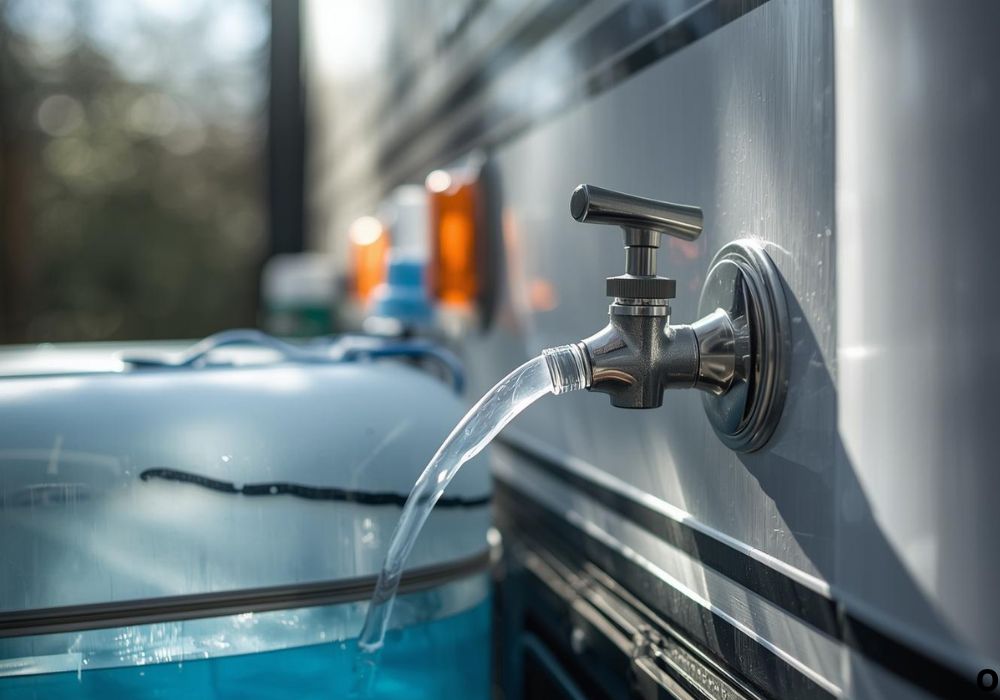
Your RV water system works much like a home plumbing setup — just more compact. It includes three tanks: a freshwater tank, a gray tank for used sink and shower water, and a black tank for toilet waste.
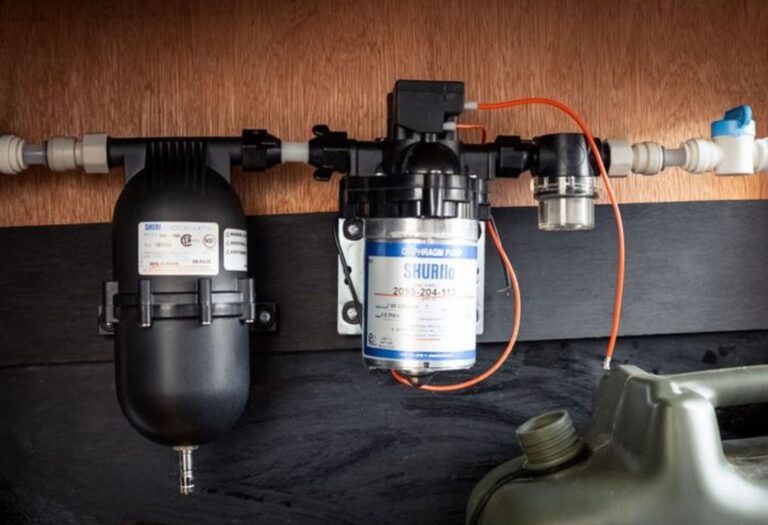
The freshwater tank stores clean water that’s pumped through your faucets and shower. An electric pump provides pressure when you’re not connected to city water. The key difference from home plumbing is that your RV system often stores water for days or weeks, making it more vulnerable to bacteria and contamination.
Because of that, RV water is only as clean as the system that holds it. Even if you fill from a clean source, the inside of your tank or hoses can introduce unwanted bacteria, sediment, or plastic residue.
Is RV Water Safe to Drink from the Tank?
Technically, yes — RV water is safe to drink if the system is clean and properly maintained. However, in practice, many tanks contain small amounts of bacteria, mold, or other contaminants.
Water stored in a dark, warm tank provides an ideal breeding ground for microorganisms. If left for more than a week without circulation or treatment, it can develop odor, cloudiness, or a strange taste.
RV water safety depends on three main things:
- The quality of the water source you fill from.
- The cleanliness of your tanks and hoses.
- How often you flush, filter, and sanitize the system.
Common Contaminants Found in RV Water Systems
Bacteria and algae are the most frequent culprits. They grow in moist, enclosed spaces like tanks, pumps, and hoses.
Sediment from campground water lines can also settle in your tank, especially if you travel often. Over time, these particles collect and make your water appear cloudy or metallic.
You may also encounter chemical residue — leftover bleach from sanitizing or plastic flavor from new tanks. Some RVers even report sulfur or rotten-egg odors, often caused by hydrogen sulfide-producing bacteria.
While most of these contaminants aren’t life-threatening, they can make your water unpleasant — and in some cases, risky to drink.
Factors That Affect RV Water Safety
The safety of your drinking water depends on many small details that add up over time.
1. Water source quality: Campground water isn’t always tested regularly, especially in rural areas.
2. Hose material: Only use food-grade white hoses, as green garden hoses can leach harmful chemicals.
3. Tank sanitation frequency: The longer you wait to sanitize, the higher the risk of bacterial growth.
4. Water temperature: Heat speeds up bacterial reproduction in the tank.
5. Storage duration: Stagnant water becomes unsafe after a few weeks without treatment or filtration.
Regular cleaning and mindful refilling are your best defenses against unsafe water.
How to Make RV Water Safe to Drink
Keeping your RV water drinkable is simple once you establish a cleaning routine.
- Always fill the tank with potable (drinking-safe) water only.
- Use sanitized hoses that are dedicated solely to drinking water.
- Filter or purify water before or after it enters the tank.
- Drain the tank completely when storing your RV for long periods.
- Never fill your tank from a questionable spigot or an untested well.
Even if the source water is clean, your system must stay disinfected to ensure safety.
Step-by-Step: How to Sanitize Your RV Freshwater Tank
Sanitizing removes bacteria, mold, and slime buildup from inside your tank and lines. Here’s how to do it safely:
- Turn off the water heater and drain the freshwater tank completely.
- Mix a bleach solution: Use ¼ cup of household bleach per 15 gallons of tank capacity.
- Fill the tank with the bleach solution using a potable water hose.
- Turn on faucets (hot and cold) until you smell bleach in the water — this pulls it through all lines.
- Let it sit for 8–12 hours. Overnight works best.
- Drain the tank completely the next morning.
- Refill with clean water and run faucets until the bleach smell disappears.
This simple process keeps your water system fresh, clear, and free from bacterial growth.
How Often Should You Clean or Test RV Water
Experts recommend sanitizing your RV water system every 3–6 months, or more frequently during warm weather or full-time travel.
If your water tastes odd or smells musty, clean it immediately. You can also buy RV water test kits to check for bacteria, chlorine, or metal levels.
Make it a habit to clean before the first trip of the season and again before long-term storage. This ensures your tank stays clean and your water stays safe.
Using Water Filters and Purifiers in RVs
A water filter is your best line of defense between the spigot and your stomach.
Sediment filters trap dirt and sand before they reach the tank. Carbon filters remove chlorine, odors, and chemical tastes. UV purifiers kill bacteria and viruses without chemicals.
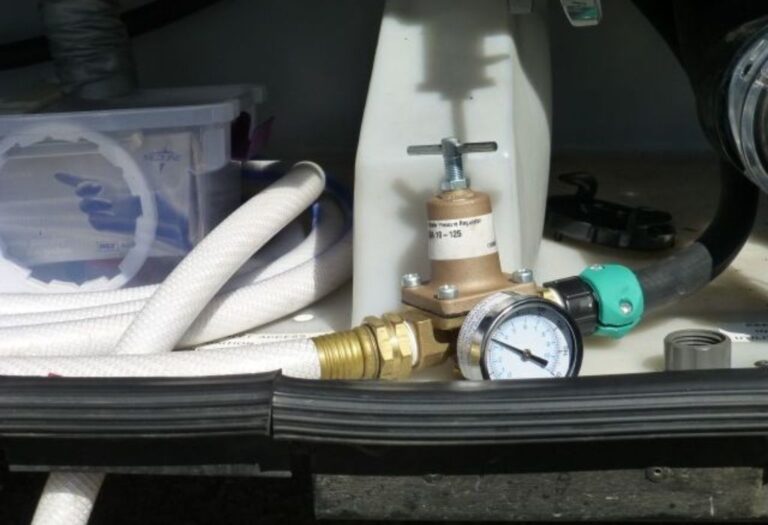
For best results, use a dual-stage filtration system — one filter at the hose connection and another inside the RV. Portable filters are great for short trips, while built-in systems work best for full-time RVers.
Clean filters regularly, and replace them according to the manufacturer’s recommendations.
Bottled Water vs. Filtered RV Water
Many RVers rely on bottled water, thinking it’s safer. In reality, that’s not always true — and it’s not sustainable.
Plastic bottles generate waste and can degrade when stored in hot RV compartments. Filtered RV water, when properly maintained, is just as clean and costs less in the long run.
For peace of mind, some travelers use bottled water only for drinking but use filtered RV water for cooking and cleaning. It’s a balanced and eco-friendly solution.
How to Identify Unsafe RV Water
Your senses are your first line of defense. If your water smells strange, tastes bitter, or looks cloudy — don’t drink it.
A metallic or sulfur-like odor may indicate bacteria or chemical buildup. A slimy film on faucets or a green tint in the tank often means algae are growing inside.
Discoloration, bubbles, or floating particles are all warning signs. When in doubt, sanitize, flush, and refill — it’s not worth the risk.
Tips for Keeping RV Drinking Water Fresh on the Road
- Use food-grade hoses and keep them capped when not in use.
- Drain and refill tanks regularly during long trips.
- Keep your freshwater tank out of direct sunlight when possible.
- Always flush the system after adding bleach or antifreeze.
- Store hoses in a clean, dry place — never with sewer equipment.
These simple steps ensure your water stays clean from the campground spigot to your kitchen sink.
How Temperature and Storage Affect Water Safety
Warm weather is the biggest enemy of safe drinking water. Heat encourages bacterial growth and speeds up chlorine breakdown.
If you’re traveling in summer, empty the tank weekly if possible. During cold storage, always drain and winterize the system — trapped water can freeze and crack fittings, leading to contamination later.
Remember: fresh water means circulated water. Never let it sit idle for too long.
RV Park and Campground Water Safety
Not all campgrounds maintain perfect sanitation standards. Even parks with clean water supplies can have unclean spigots, hoses, or connectors.
Before filling up, let the water run for 20–30 seconds to flush out stagnant water. Avoid letting your hose nozzle touch the ground or spigot directly.
If you’re unsure about the source, use a filter or add a few drops of chlorine solution. It’s a small precaution that can prevent big problems.
Can You Boil RV Water to Make It Safe?
Yes — boiling is one of the oldest and most effective methods for killing bacteria. Bring the water to a rolling boil for at least one minute before drinking.
However, boiling doesn’t remove chemical contaminants or heavy metals. It’s useful as a temporary solution, but for long-term use, rely on proper filtration and tank sanitation.
Travel Tips for Full-Time RVers
If you live in your RV full-time, your water maintenance routine should be stricter.
- Sanitize monthly during hot months.
- Use a permanent inline water filter at the hose connection.
- Test water quality every 6–8 weeks.
- Keep detailed records of when and where you fill your tank.
Consistency is key — safe drinking water requires habit, not luck.
FAQs About RV Water Safety
Can I drink directly from my RV tap?
Yes, if your tank and hoses are clean and you use filtered water.
How often should I sanitize the water tank?
Every 3–6 months, or after long periods of storage.
Do I need to use bleach every time?
Yes, for full sanitization — but rinse thoroughly to remove odor.
What’s the safest hose to use?
A white, food-grade potable water hose only.
Is it okay to fill from a garden hose?
No. Garden hoses may leach lead and chemicals into your water.
Can I add chlorine tablets to keep water fresh?
Yes, but only products made for potable water systems.
Is campground water always safe?
Not always. Use a filter or purifier whenever possible.
Can RV filters remove all bacteria?
Most remove common contaminants, but UV filters are best for sterilization.
How long can water stay in the tank?
No more than two weeks in warm weather or a month in cooler conditions.
What if my water smells like rotten eggs?
Flush the tank and sanitize; sulfur bacteria may be growing inside.
Can I use bottled water instead?
Yes, but it’s expensive and less eco-friendly long term.
Can old RV tanks cause contamination?
Yes — older plastic tanks can degrade and harbor bacteria.
What happens if I drink unsafe water?
You might experience stomach upset or illness from bacterial contamination.
Should I filter both city and tank water?
Yes, since even clean sources can pick up contaminants through hoses.
Do RV filters expire?
Yes — replace them every 3–6 months for best performance.
Conclusion – Safe Water Means Safer Adventures
The question “Is RV water safe to drink?” doesn’t have a simple yes or no answer. It depends on how well you maintain your system, where you fill your tank, and how clean your hoses and fittings are.
The good news is that keeping RV water safe isn’t hard — it just requires consistency. Sanitize your tank regularly, use the right filters, and avoid questionable water sources.
Clean water equals peace of mind. Whether you’re camping for a weekend or living full-time on the road, a well-maintained RV water system keeps you healthy, hydrated, and ready for every adventure ahead.

I’m David R. Coleman, the founder, lead writer, and lifelong tool enthusiast behind GarageToolPro.com. With years of experience in automotive repair, woodworking, and home DIY projects, I created this platform to share practical tips, detailed tool reviews, and step-by-step guides that help mechanics, hobbyists, and homeowners get the job done right the first time.