How to Use Electric Water Heater in RV Safely and Efficiently
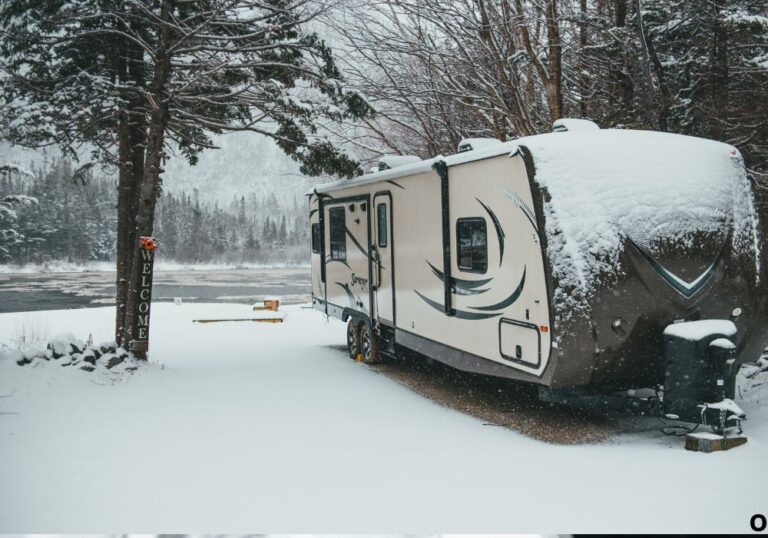
Winter camping or off-season RV storage often means one critical task — protecting your water system from freezing. For most owners, the answer is simple: add RV antifreeze to the plumbing. It’s safe, non-toxic, and prevents burst pipes during freezing weather. But a question often arises — is RV antifreeze bad for the water heater?
Imagine coming back in spring, filling your tank, and noticing a strange odor or pink-tinted water. That’s often a sign that antifreeze entered the water heater — something that shouldn’t happen. While RV antifreeze is safe for water lines, it’s not designed to withstand the heat or pressure inside a water heater.
The electric elements and anode rods in your heater are built for clean water, not chemical solutions. Prolonged contact with antifreeze can leave residue, cause corrosion, or even damage internal seals. According to RV technicians, one of the most common service calls after winter is flushing out contaminated water heaters.
Knowing how to properly bypass and protect your water heater during winterization not only prevents damage but saves money and frustration later. In this guide, we’ll break down why antifreeze doesn’t belong in the tank, what to do if it gets there, and how to safely flush and maintain your system.
What Is RV Antifreeze and Why It’s Used
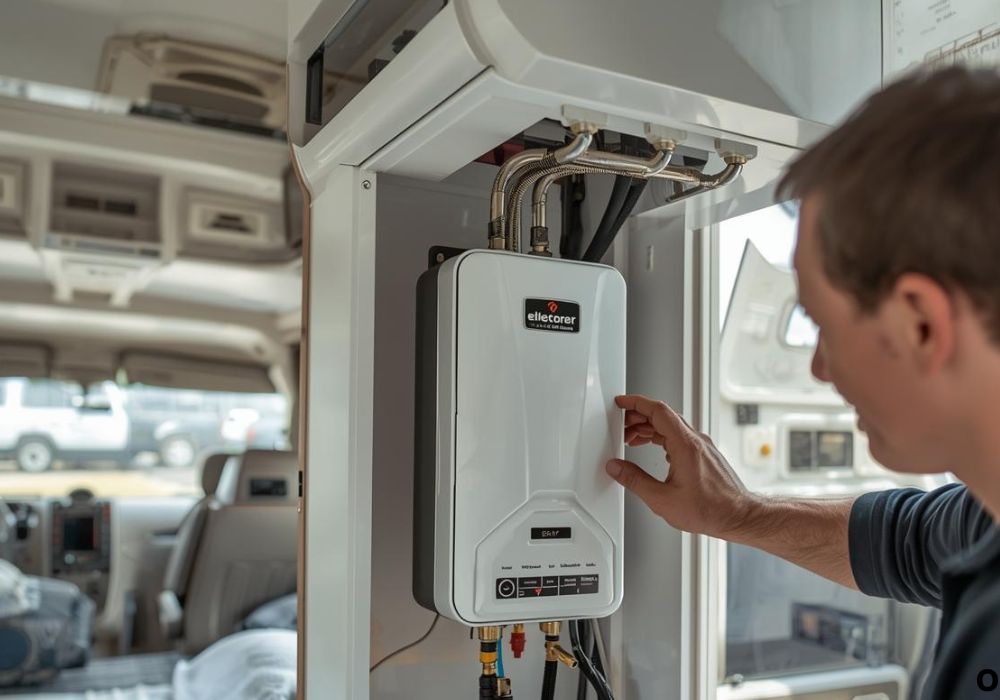
RV antifreeze is a non-toxic liquid solution that prevents your RV’s water system from freezing during cold storage. It flows through pipes, faucets, pumps, and drains, keeping ice crystals from expanding and bursting the lines.
There are two primary types:
- Propylene glycol (RV antifreeze): Safe, food-grade, and environmentally friendly.
- Ethylene glycol (automotive antifreeze): Extremely toxic—never use it in an RV water system.
RV antifreeze typically comes in pink or blue form. It’s safe for water lines and tanks you drink from after flushing, but it’s not designed for heating components or long-term exposure to metal surfaces at high temperatures.
How the RV Water Heater Works
Understanding how your water heater functions helps you see why antifreeze doesn’t belong inside.
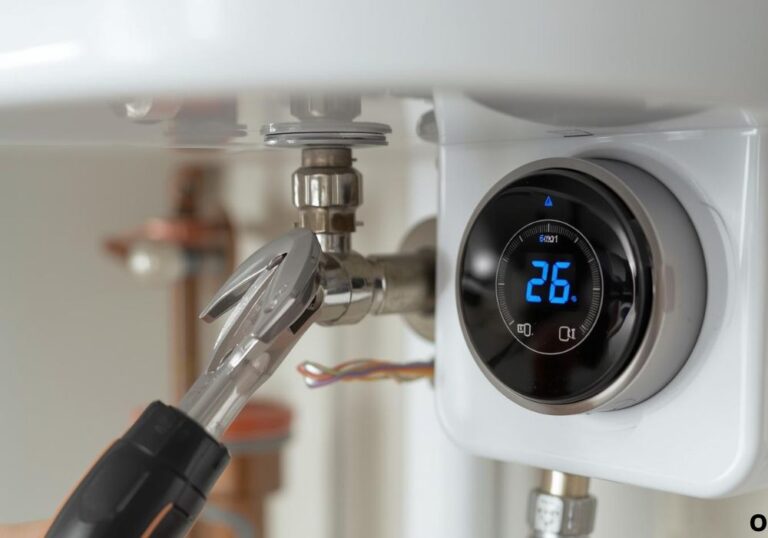
An RV water heater usually comes in two designs—tank-style (6 – 10 gallons) or tankless. Both heat cold water using an electric element, propane burner, or both. The water is stored inside a metal tank (usually steel or aluminum-lined) with a glass enamel coating for protection.
Inside, you’ll also find:
- Anode rod (to prevent corrosion)
- Heating element (for electric models)
- Thermostat and control board
These components are built to interact with water only, not chemical solutions. Introducing antifreeze changes the chemical balance, which can corrode metal parts or create residue that insulates the heating element, leading to overheating.
Is RV Antifreeze Bad for Water Heater?
Yes — RV antifreeze is bad for the water heater if it enters the tank.
Although propylene glycol itself is non-toxic, it reacts differently under heat. When exposed to high temperatures, it can form a sticky film that coats heating elements and reduces efficiency. Over time, that buildup traps heat and may burn out the element entirely.
Antifreeze can also compromise the tank’s internal enamel layer, corrode the anode rod, and damage rubber seals. Once that happens, you may notice leaks, reduced heating performance, and cloudy or foul-smelling water.
What Happens If RV Antifreeze Gets Into the Water Heater
When RV antifreeze gets trapped inside the tank, several issues develop:
- Corrosion: The chemical mixture slowly eats through protective coatings, exposing bare metal.
- Residue buildup: Sticky glycol residue coats the heating element and thermostat probe, interfering with temperature control.
- Foul taste or odor: Even trace amounts leave a sweet chemical smell that’s hard to eliminate.
- Reduced efficiency: The heater takes longer to warm water and uses more electricity.
- Potential element failure: If the coating thickens, the heating element overheats and burns out.
The longer antifreeze stays in the heater, the more likely you’ll face expensive repairs or full tank replacement.
Why You Should Always Bypass the Water Heater During Winterization
Every RV is equipped with a water-heater bypass valve, and using it correctly is crucial.
When you add antifreeze into your RV’s plumbing system for winter storage, the bypass valve ensures that antifreeze flows only through the water lines, not into the heater. This saves you several gallons of antifreeze and prevents contamination.
Here’s how it works:
- Locate the bypass valve—usually behind the water heater access panel.
- Turn the valve(s) to the “bypass” or “winterize” position.
- This reroutes fluid through the plumbing lines and around the heater tank.
If you forget to bypass the heater, antifreeze fills the tank and remains there all winter—a mistake that leads to corrosion, odor, and cleaning headaches later.
How to Remove Antifreeze from the Water Heater Tank
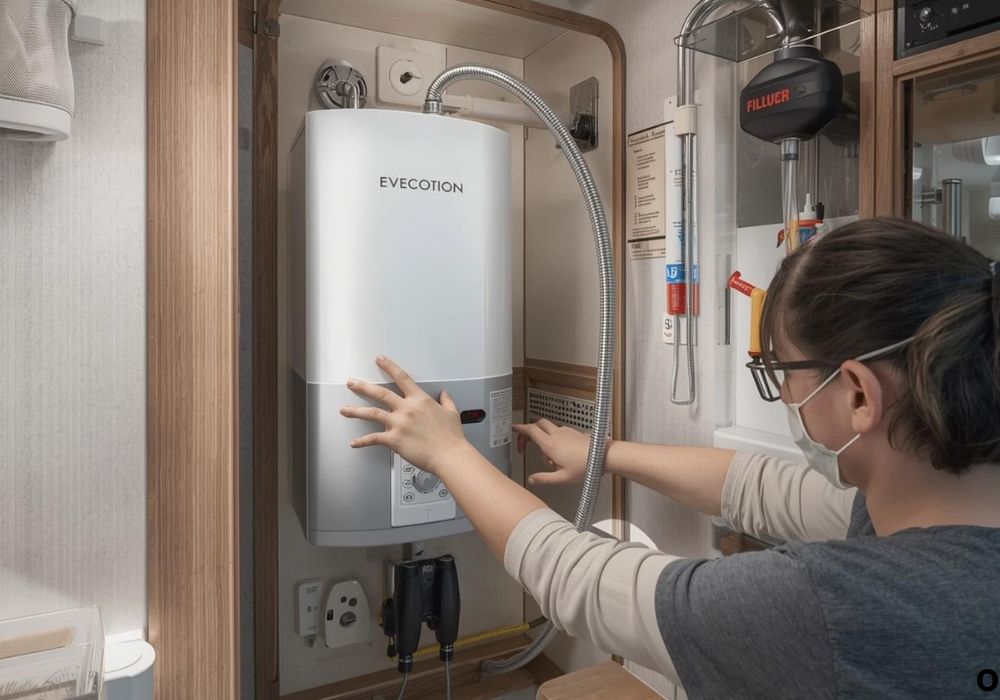
If antifreeze accidentally entered your heater, don’t panic. You can fix it by flushing thoroughly.
- Turn off power and gas. Never work on a hot or powered heater.
- Drain the tank completely. Open the pressure-relief valve and remove the drain plug or anode rod.
- Rinse the interior. Use a hose or tank-rinse wand to flush until water runs clear.
- Add a neutralizing mix. A mild baking-soda solution helps remove film and odor.
- Flush again with clean water. Continue until there’s no residue.
- Inspect the element and anode rod. Replace if corroded or coated.
- Refill and test. Reconnect power once the tank is full of fresh water.
This process usually restores performance, but in severe cases the heating element may need replacement.
Can a Small Amount of RV Antifreeze Damage the Water Heater?
A small trace left from incomplete draining is usually harmless. Propylene glycol is non-corrosive in tiny amounts, especially if it’s diluted with water.
However, if the tank was filled or partially filled with antifreeze and then heated, the risk increases significantly. The element may overheat or produce a burnt smell that lingers for months. Always flush the system thoroughly before the first spring use.
What Type of RV Antifreeze Is Safe for Your System
Only non-toxic, propylene-glycol-based RV antifreeze should ever enter your plumbing system. It’s safe for freshwater lines, holding tanks, and pump seals.
Avoid anything labeled ethylene glycol — that’s automotive antifreeze and highly poisonous. It can damage plastic pipes, rubber seals, and your entire freshwater system.
To confirm safety, check the label for:
- “Non-toxic / RV plumbing antifreeze”
- “Propylene glycol formula”
- Bright pink or blue color (standard RV antifreeze hue)
Maintenance Tips After Winterization
After de-winterizing, give your system some attention before using it again.
- Flush the entire water system until all pink tint is gone.
- Sanitize the water lines and heater with a diluted bleach solution (¼ cup bleach per 15 gallons of water).
- Inspect heating elements for pitting or buildup.
- Check anode rod and replace if over 50 percent deteriorated.
- Refill and heat test the system before your first trip.
Regular post-winter maintenance keeps your heater clean and ready for the season.
How Antifreeze Affects Tankless RV Water Heaters
Tankless or “on-demand” systems are even more sensitive. These units heat water through narrow copper coils or stainless-steel exchangers. If antifreeze flows through them, it leaves a gummy residue that can clog passages and reduce heat transfer.
Manufacturers recommend completely bypassing tankless heaters and blowing out lines with compressed air instead. Air-drying is safer and avoids chemical residue that’s hard to remove from internal sensors.
How to Identify Antifreeze Contamination in Your Water Heater
Common signs that antifreeze entered your heater include:
- Sweet or chemical odor from hot-water faucets
- Pink or cloudy water during first flush
- Sticky film around the drain plug or anode rod
- Heater takes longer to warm up than usual
- Breaker trips or heating element fails unexpectedly
If you notice any of these, flush immediately before operating again.
Why Chemical Reactions Matter Inside a Heater
When heated above 160 °F (70 °C), propylene glycol begins to degrade, releasing organic acids. These acids corrode aluminum, brass, and steel surfaces inside your heater.
Over time, corrosion pits can form under the enamel coating, leading to leaks. Rubber seals and gaskets also swell or soften after long antifreeze exposure, creating slow drips around fittings.
That’s why even though the liquid is labeled “safe,” its chemical behavior under heat makes it incompatible with heater environments.
Energy Efficiency and Performance Impact
Even small amounts of residue affect efficiency. A thin glycol film on the heating element acts as insulation, forcing the element to run hotter and longer to reach the same water temperature.
That extra strain shortens element lifespan, increases power use, and can trigger thermostatic cut-offs. Keeping antifreeze out of the heater ensures consistent temperature and lower energy bills during your RV trips.
Environmental and Health Considerations
Propylene glycol is biodegradable and safe for plumbing lines, but it should never be dumped in bulk. After flushing, always dispose of the rinse water at a designated dump station or service area.
If antifreeze remains in the heater and enters your hot-water line, it can make your drinking water taste sweet or chemical-like. Though non-toxic, it’s unpleasant and indicates incomplete cleaning.
Troubleshooting Common Issues After Antifreeze Exposure
- No hot water: The heating element may have burnt out—test for continuity and replace if open.
- Foul smell persists: Flush with vinegar or baking-soda solution to neutralize residues.
- Discolored water: Rust or enamel flaking; inspect the tank interior.
- Breaker keeps tripping: Moisture or corrosion around electrical terminals.
- Reduced flow: Sediment or sticky residue clogging internal passages.
If these persist after cleaning, replacement may be more cost-effective than repair.
When to Call a Professional
If antifreeze was heated inside your tank for an extended period, consult an RV service technician. They can inspect the element, anode, and thermostat with specialized tools.
Professional de-scaling removes deposits that simple flushing might miss. It’s also safer if you suspect electrical or seal damage.
Preventing Antifreeze Contamination in the Future
Prevention is simple and saves hundreds of dollars in repairs.
- Always verify your bypass valve position before winterizing.
- Drain the heater completely before adding antifreeze to the plumbing.
- Label the bypass valves with “winterize” / “normal use” to avoid confusion.
- Use RV-specific air blowout adapters if you prefer air-pressure winterization.
- Keep a checklist taped inside your water-heater access door.
A few minutes of caution prevents months of frustration later.
FAQs About RV Antifreeze and Water Heaters
Can I leave RV antifreeze in the water lines all winter?
Yes. It’s safe for plumbing lines, but bypass the water heater completely.
How do I know if antifreeze entered my heater?
Check for pink fluid from the drain plug or sweet-smelling water.
Can propylene glycol damage metal tanks?
Over time and heat exposure, yes—it corrodes unprotected metal surfaces.
What if I accidentally turned on the heater with antifreeze inside?
Immediately shut it off, drain, and flush. The element may need replacement.
Is it safe to drink water after flushing?
Yes, once the system runs clear and odor-free after multiple flushes.
Can antifreeze clog filters or valves?
Yes, especially if it thickens during freezing or heating. Clean filters afterward.
Can I mix different brands of RV antifreeze?
Avoid mixing unless both specify propylene glycol base—formulas can react.
Should I bypass a tankless heater too?
Absolutely. Tankless models are even more sensitive to residue.
What happens if a small amount remains after flushing?
Minor traces are harmless but can cause odor—run hot water longer to clear.
How often should I flush my water heater?
At least once after every winter and every three months of regular use.
Conclusion – Keep Antifreeze Out, Keep the Heater Safe
RV antifreeze is a lifesaver for pipes, but a troublemaker for heaters. It’s designed to protect plumbing lines—not withstand the high temperatures and internal materials of a water-heater tank.
Allowing antifreeze into the heater can corrode metal, destroy heating elements, and create stubborn odors. The solution is simple: always bypass the heater during winterization and flush thoroughly before use.
A clean, well-maintained electric or gas water heater ensures reliable hot water every time you hit the road. Keep the antifreeze where it belongs—in the pipes—and your heater will reward you with years of dependable service.

I’m David R. Coleman, the founder, lead writer, and lifelong tool enthusiast behind GarageToolPro.com. With years of experience in automotive repair, woodworking, and home DIY projects, I created this platform to share practical tips, detailed tool reviews, and step-by-step guides that help mechanics, hobbyists, and homeowners get the job done right the first time.